
Shockwave Centers of America has outlined the science behind shockwave therapy as a non-invasive treatment option for individuals experiencing chronic pain that has not resolved through the body's natural healing processes.
The explanation details how the body typically responds to injuries by initiating repair mechanisms to restore tissue, bone, cells and other affected areas. In cases of chronic pain, however, the body ceases to recognize the ongoing injury, shutting down the healing process and resulting in persistent discomfort. Shockwave therapy addresses this by penetrating deep into soft tissue to create a microtrauma or new inflammatory condition in the treated area. This controlled response triggers the body's natural healing mechanisms once again.
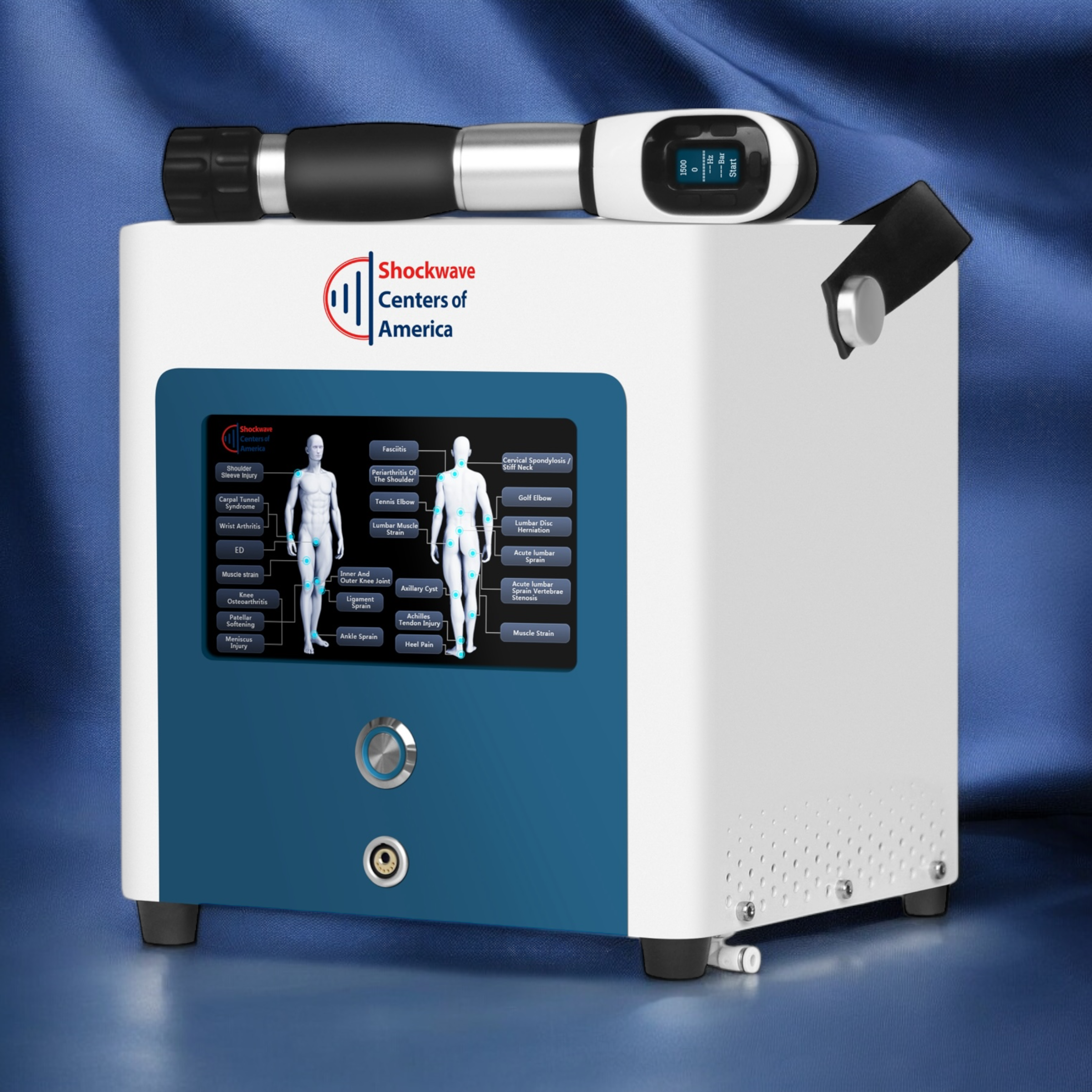
Energy emitted during the treatment causes cells in the soft tissue to release specific bio-chemicals. These bio-chemicals intensify the healing process and contribute to the formation of new microscopic blood vessels in the soft tissue. Strong energy pulses applied for short periods also stimulate cells responsible for bone and connective tissue healing. In many instances, this approach has shown effectiveness where the body had previously been unable to heal itself independently.
Practitioners at affiliated clinics follow a standardized procedure. Ultrasound gel is applied to the injured area, followed by the use of an applicator that delivers ballistic waves, or compressed air impulses, in a slow circular motion over the affected region. Patients may experience a minor level of discomfort during the session, but adjustments are made to manage it. Some soreness in the area for a day or two afterward is common and is often likened to the sensation following a strenuous workout.
Shockwave therapy is supported by medical literature with extensive studies conducted on radial shockwave therapy over the past 20 years. These include double-blind, randomized, controlled studies showing improvement rates of up to 91 percent with success rates around 84 percent for numerous conditions. Specific statistics indicate 84 percent improvement for plantar fasciitis, 91 percent improvement for calcific tendonitis of the shoulder, 77 percent improvement for tennis elbow, 76 percent improvement for Achilles tendinopathy, 95 percent relief for myofascial trigger point, 76 percent improvement for patellar tendonitis, and 85 percent improvement for hamstring injuries.
The therapy is applied to a range of musculoskeletal issues including plantar fasciitis, Achilles tendinopathy, jumper's knee or patellar tendinitis, hamstring muscle injuries, bursitis, calcific rotator cuff tendinitis, shoulder pain, tennis elbow, heel spurs, shin splints and additional conditions. By stimulating the body's own repair systems through the creation of new blood vessels and cellular activity, shockwave therapy provides an alternative for patients seeking options beyond traditional methods.
David Tucker, Co-Founder and Co-Owner of Shockwave Centers of America and President of TENSnet, a leading supplier of chiropractic equipment, described the underlying process. "When chronic pain sets in, the body's healing response stops functioning as it should. Shockwave therapy restarts that process by introducing a new inflammatory condition that prompts natural repair, including the release of bio-chemicals and the building of new microscopic blood vessels," Tucker said.
Dr. Dan Ruitenbeek, Co-Founder of Shockwave Centers of America, addressed the clinical application. "The energy pulses used in shockwave therapy stimulate cells responsible for bone and connective tissue healing, making it effective in situations where the body has not healed on its own. This non-invasive method allows practitioners to target soft tissue issues with precision," Ruitenbeek noted.
The treatment sessions are relatively short, with the applicator moved systematically across the area to ensure even distribution of the ballistic waves. This methodical approach supports consistent delivery across different conditions. Because the therapy works with the body's natural mechanisms rather than introducing external substances or requiring invasive procedures, it aligns with a focus on supporting physiological healing.
Extensive research on radial shockwave therapy has accumulated over two decades, providing a foundation of evidence for its use in clinical settings. The studies document outcomes across various soft tissue and musculoskeletal complaints, highlighting consistent patterns of improvement when the therapy is administered properly. Practitioners affiliated with Shockwave Centers of America receive complete training to maintain standards in equipment operation and treatment protocols.
For conditions such as calcific rotator cuff tendinitis or shoulder pain, the therapy targets deposits and inflamed tissues to promote breakdown and regeneration. In lower extremity issues like plantar fasciitis or Achilles tendinopathy, it addresses tendon and fascial structures by encouraging increased blood flow through new vessel formation. Similar mechanisms apply to elbow conditions such as tennis elbow, where chronic tendinopathy benefits from renewed cellular activity.
Patients often report that the post-treatment soreness resembles muscle fatigue after exercise, which typically resolves quickly. The minor discomfort during application is managed through real-time adjustments to the intensity of the ballistic waves. This patient-centered approach ensures that the therapy remains tolerable while delivering the necessary energy to stimulate healing.
Shockwave Centers of America emphasizes the role of this therapy in cases where prolonged physical therapy or other conservative measures have provided limited relief. The cost considerations of repeated therapy sessions or surgical interventions are noted in broader discussions of treatment options, positioning shockwave therapy as an efficient alternative in terms of time and resources for achieving results. Quality of life remains a central consideration in the application of these treatments.
The process begins with the recognition that chronic pain represents a stalled healing cycle. By introducing a microtrauma, shockwave therapy effectively resets this cycle, allowing bio-chemical releases that support angiogenesis, or the development of new blood vessels. This improved vascularization supplies oxygen and nutrients to damaged tissues, facilitating repair at the cellular level. Stimulation of osteoblasts and fibroblasts further contributes to bone and connective tissue recovery.
Over the course of multiple sessions, cumulative effects build as each treatment reinforces the healing response. The non-invasive nature means no downtime is typically required, allowing patients to maintain daily activities while undergoing care. This accessibility contributes to its growing use in chiropractic and wellness practices nationwide.
Research materials detailing the clinical studies are available through local affiliated clinics. These resources provide deeper insights into the double-blind trials and long-term outcome data that support the therapy's application. The evidence base continues to inform best practices among trained practitioners.
Additional conditions responsive to the treatment include various forms of bursitis and shin splints, where inflammation and tissue stress are addressed through the same microtrauma and bio-chemical pathways. The versatility of shockwave therapy makes it applicable across upper and lower body musculoskeletal complaints.
As more individuals seek non-surgical solutions for persistent pain, the detailed explanation of the therapy's mechanism offers clarity on how it functions at the physiological level. Shockwave Centers of America supports clinics by providing equipment and training that enable consistent implementation of these protocols.
The company's network includes practitioners who have undergone complete training, ensuring that treatments follow established guidelines for safety and efficacy. This commitment to standards helps maintain reliable outcomes for patients dealing with chronic conditions.
In outlining the fundamentals of shockwave therapy, Shockwave Centers of America contributes to greater understanding of non-invasive pain management approaches. The therapy's ability to reactivate the body's healing processes through targeted energy pulses represents a valuable option for those affected by unresolved soft tissue injuries.
Shockwave Centers of America is the leading provider of shockwave therapy across the country. SCOA practitioners have received complete training assuring that treatments are administered by experienced professionals. The company focuses on better results naturally through support of clinics offering this therapy for chronic pain conditions.
###
For more information about Shockwave Centers of America™, contact the company here:
Shockwave Centers of America™
David Tucker: Co-Founder and Co-Owner of Shockwave Centers of America
561-300-3444
info@shockwavecenters.com
4880 Lower Roswell Road Suite 20
Marietta, GA, 30068