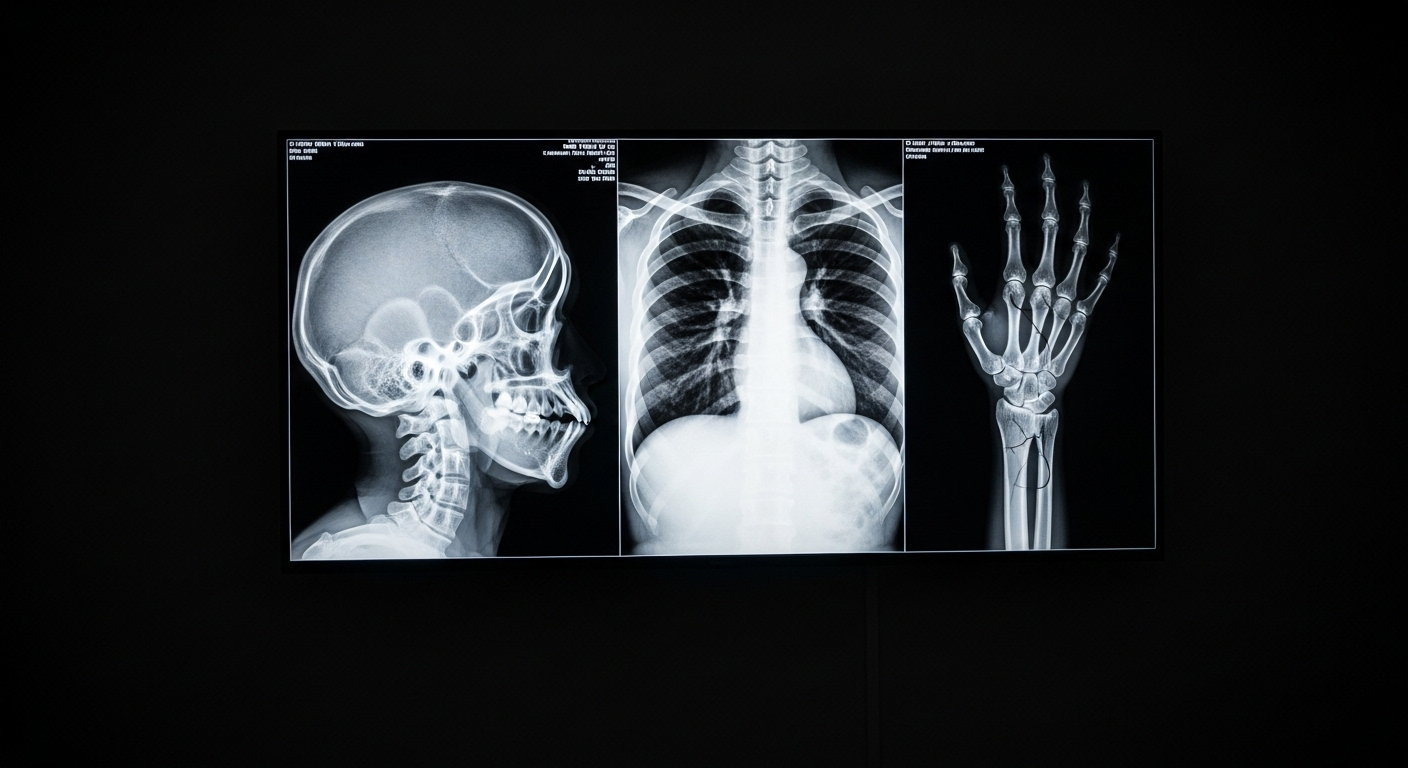
ContrastConnect has released a new guide on liabilities associated with the virtual supervision model for contrast-enhanced imaging studies. The resource is intended to help imaging centers implement the model with proper documentation procedures to ensure patient safety and protect the facility from legal risks.
For more information, please visit https://www.contrast-connect.com/blog-post/contrast-reaction-liability-exposure-supervision-model-risk-documentation-practices
Virtual supervision was permanently approved nationwide as an alternative model for in-person radiologist oversight during level 2 diagnostic procedures. Medical practices that adopt this model can employ remote radiologists or other qualified personnel to supervise procedures through audiovisual telecommunications technology, rather than being forced to require a radiologist on-site for every appointment. The model has been praised by the medical community for improving flexibility for radiologists, leading to efficiency gains and increasing the number of procedures that can be performed during operating hours, which, in turn, reduces appointment delays and clinical backlogs.
However, ContrastConnect’s guide says that this model has also been subject to scrutiny, as radiologists are not physically present when contrast agents are administered to the patient. Consequently, improper implementation of the model can render an imaging center liable for malpractice, leading to possible investigations or legal exposure.
The resource adds that the virtual supervision model is only legally defensible when it is structured correctly with considerations for response time, communication infrastructure, protocol clarity, and documentation; only remote radiologists who can respond to an adverse reaction in under two minutes via HIPAA-compliant technology, have immediate access to the patient’s medical history, and have real-time documentation of their involvement are in a legally comparable position to an on-site physician.
To ensure compliance, ContrastConnect’s guide advises imaging centers to build a rigid documentation system with electronic health record templates that include all details pertaining to the contrast agent used, adverse reactions (including onset, initial symptoms, ACR severity grade, and every intervention performed), the supervising physician’s name and response, and relevant patient information.
To further reduce errors, these templates should be standardized and programmed to self-populate where possible. Additionally, patient allergy information should automatically be synchronized across imaging centers; failure to share updated information will place all involved facilities at risk for legal liabilities in the event of a reaction.
More information is available at https://www.contrast-connect.com/
ContrastConnect
Las vegas
Las Vegas
NV
89109
United States