
Your Complete Guide to What Happens During a Comprehensive Eye Exam
Vancouver, Canada - March 16, 2026 / Doctor Lili Optometry /
Regular eye care is essential for preserving vision and detecting health issues early. A comprehensive eye exam goes far beyond a simple vision screening, offering a deep look into not just how well someone sees, but also the overall health of their eyes and potential indicators of systemic disease.
What Is a Comprehensive Eye Exam?
A comprehensive eye exam is a thorough series of tests performed by a qualified eye doctor designed to assess how well the eyes see and how healthy they are. These exams can detect refractive errors (like nearsightedness), eye diseases (like glaucoma), and even signs of broader health issues such as diabetes or hypertension — often before symptoms appear.
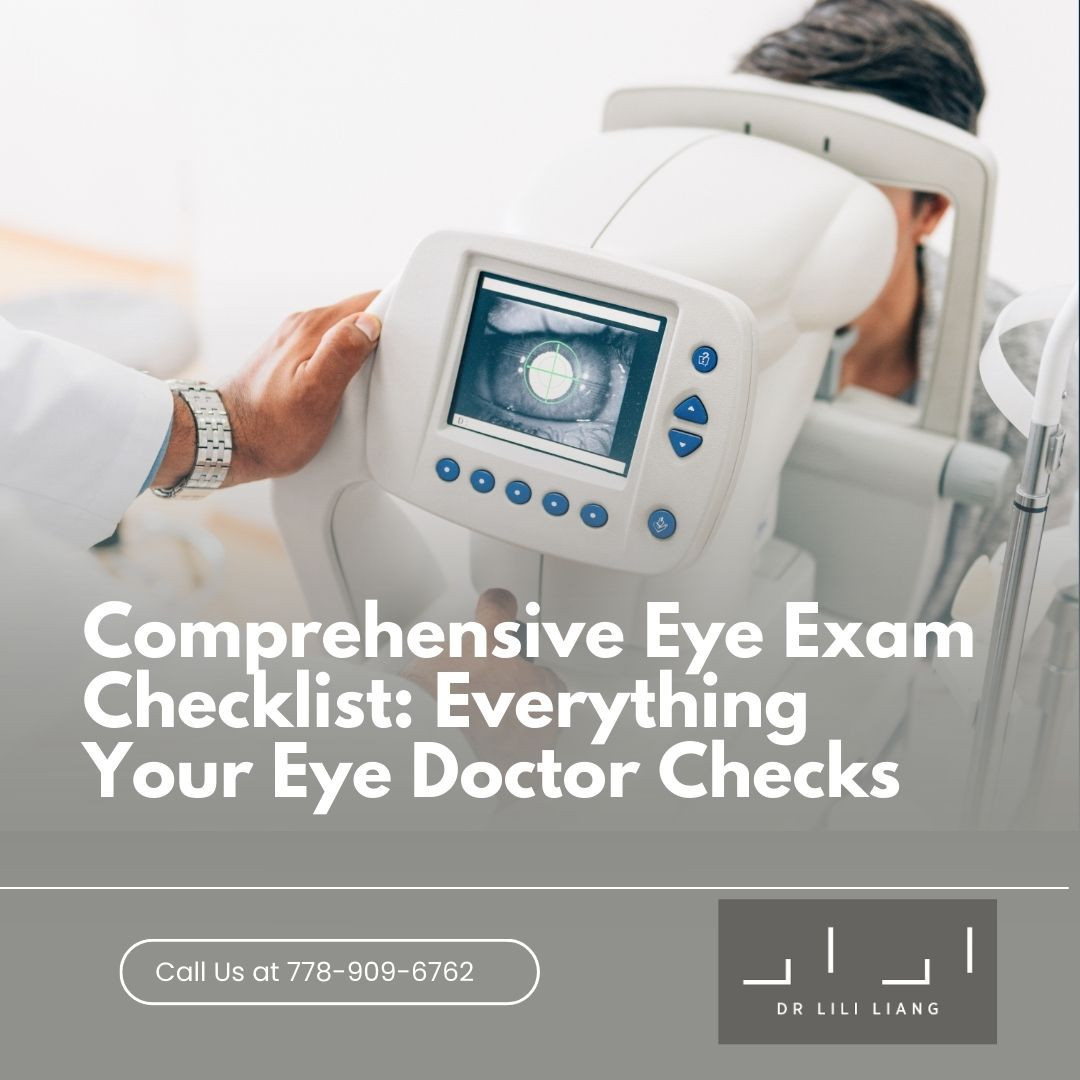
1. Medical History & Health Review
The exam typically begins with a review of the patient’s medical history. This includes questions about current symptoms, past eye issues, family history of eye diseases, and medications being taken. Because conditions like diabetes and high blood pressure can affect the eyes, this contextual health information helps guide testing and diagnosis.
2. Visual Acuity Testing
One of the most recognizable parts of an eye exam is the visual acuity test, often conducted with a Snellen chart — the familiar board with rows of letters. This test measures sharpness of vision at varying distances to determine if corrective lenses are needed.
3. Refraction Assessment
Refraction tests refine the prescription needed for glasses or contact lenses. During this portion, different lenses are tested to see which combination offers the clearest vision. This determines the presence of myopia (nearsightedness), hyperopia (farsightedness), astigmatism, or presbyopia.
4. Eye Muscle and Alignment Tests
Evaluating how well the eyes work together is critical for comfortable vision. Tests such as ocular motility and alignment checks help identify problems like strabismus (eye turn) or issues with depth perception.
5. Pupil Response and Neurological Check
The optometrist will evaluate how pupils respond to light and how the eyes communicate with the brain. Abnormalities here can suggest neurological concerns and help rule out deeper health issues.
6. Eye Pressure Measurement
Tonometry measures the pressure inside the eye — a key screening tool for glaucoma, often called the “silent thief of sight.” Elevated intraocular pressure can indicate glaucoma risk, which is especially critical to catch early when vision loss can be prevented or slowed.
7. Slit Lamp Examination
A slit lamp is a high-powered microscope used to inspect the front structures of the eye, including the cornea, lens, and iris. It helps detect conditions like cataracts, dry eye syndrome, or corneal abrasions.
8. Retinal and Optic Nerve Evaluation
To examine the retina and optic nerve thoroughly, the optometrist might use eye dilation or advanced imaging. Dilation allows a better view of the back of the eye where diseases like diabetic retinopathy or age-related macular degeneration begin — often without noticeable symptoms to the patient.
9. Peripheral Vision and Visual Fields
Peripheral vision tests, such as confrontation testing or computerized visual field exams, assess the entire scope of vision — central and side vision — and help detect issues like glaucoma or neurological problems.
10. Additional Specialized Testing
Depending on the patient’s age, history, or symptoms, additional testing might be recommended, such as optical coherence tomography (OCT) imaging, dry eye evaluations, or contact lens fittings. These can offer detailed insights into eye structure and health condition progression.
Why These Exams Matter
Many eye conditions develop quietly, without noticeable changes in vision. That’s why regular comprehensive check-ups are crucial — early detection frequently leads to more successful treatment outcomes and can sometimes reveal systemic health issues before other symptoms appear.
How Often Should You Have a Comprehensive Eye Exam?
Guidelines suggest that adults without symptoms or risk factors should have a comprehensive exam at least every one to two years, with more frequent visits recommended for those over age 40 or with existing health conditions. People with diabetes, for example, are often advised to have exams annually.
Visit a Trusted Optometrist in Vancouver for Your Eye Health
For residents of Vancouver and surrounding areas, scheduling regular eye care with a skilled optometrist in Vancouver ensures that all elements of vision and eye health are thoroughly evaluated. Whether updating a prescription or screening for underlying eye diseases, professional care is the cornerstone of preserving long-term vision.
What to Expect With a Comprehensive Eye Exam at Dr. Lili Liang
When patients visit Dr. Lili Liang, the focus is on personalized care informed by the latest diagnostic technology and professional expertise. From the initial history review to advanced retinal imaging, every step of the comprehensive eye exam is designed to give a complete picture of eye health.
Call to Action: Schedule Your Comprehensive Eye Exam Today
Don’t wait for symptoms to appear. Schedule your comprehensive eye exam now to protect your vision and overall health. Visit this link to book your appointment and take the first step toward optimal eye care.

Contact Information:
Doctor Lili Optometry
Unit 401 – 1338 W Broadway, Vancouver
Vancouver, BC V6H 1H2
Canada
Lili Liang
+1 778-909-6762
https://doctorlili.com/